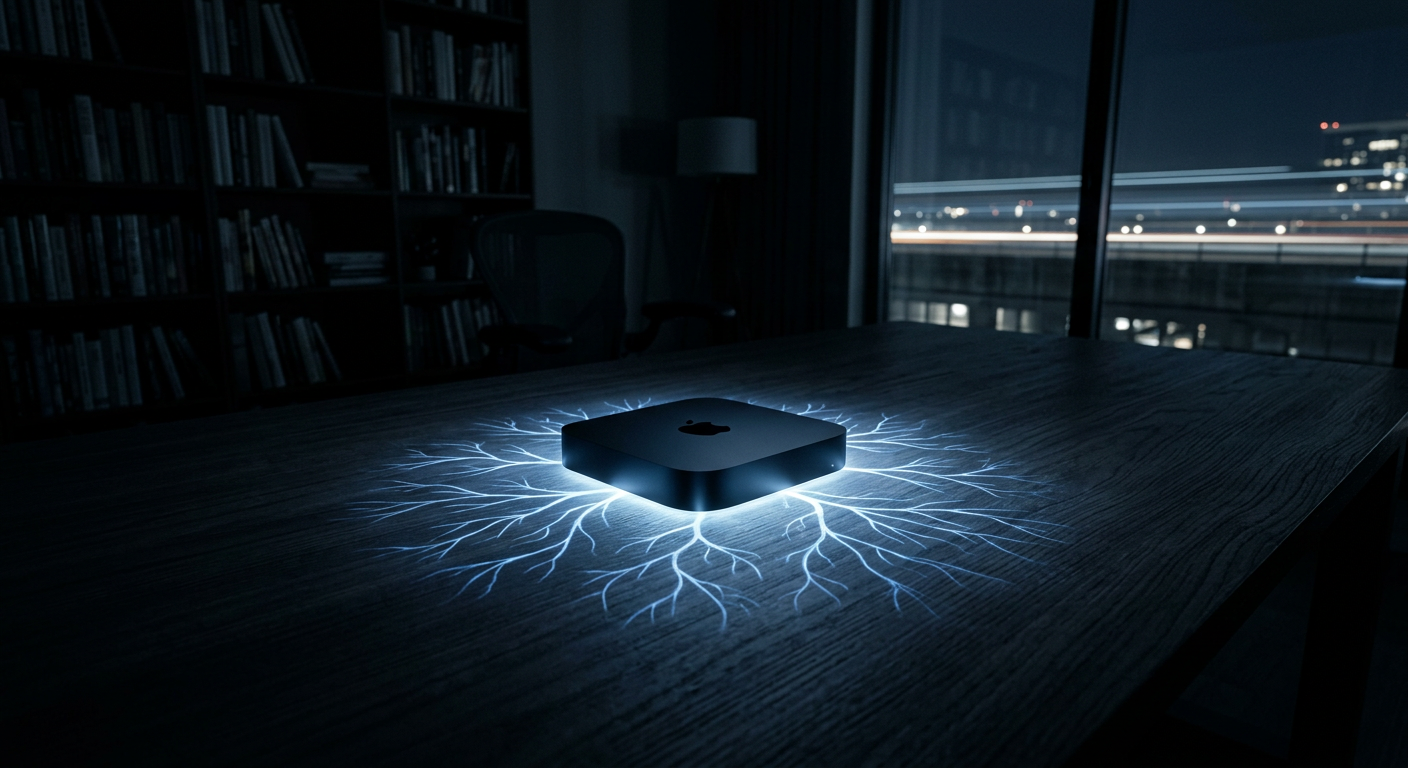
Perplexity’s always-on ‘Personal Computer’ Mac mini and the shift from reactive to ambient AI agents
The Last Time Someone Named Something “Personal Computer”
IBM did it in 1981. That machine didn’t just sell well. It rewired how humans work, killed entire job categories, and set off a chain reaction that still hasn’t stopped. Perplexity just named their always-on Mac mini the same thing. That’s not a marketing oversight. That’s a statement.
🖥️ What the Device Actually Is
Perplexity’s “Personal Computer” is a Mac mini that stays plugged in, powered on, and running 24 hours a day. It has access to your files, emails, calendar, and apps. It doesn’t wait for you to open a chat window or type a prompt. While you’re asleep, it’s working. While you’re on a flight, it’s working. No spinning up a session, no context-switching into “AI mode.” It just runs.
That sounds simple. The implications are not.
What We Have Now vs. What This Is
Right now, most people’s mental model of AI is transactional. You open a browser tab, ask a question, get an answer, close the tab. The AI is reactive. You pull, it responds, then it goes dormant until you return. Even the best agentic workflows most of us have built still require a human to kick off the process.
Perplexity is describing something different. This is ambient AI. It runs a background thread on your life continuously, and it acts on what it finds without waiting for you to show up and ask.
That is a genuinely different paradigm. Not incrementally better. Different in kind.
The Name Is the Strategy
When Perplexity chose “Personal Computer,” they weren’t being nostalgic. As one sharp observer on social pointed out, the last device to carry that name killed typewriters, killed filing clerks, killed secretarial pools, and restructured entire industries. Perplexity didn’t call this thing a “copilot” or an “assistant.” Those names imply a helper that waits. They went with the name of the thing that already replaced millions of jobs once before.
The choice signals exactly how they see the category they’re building. This isn’t a chat product. It’s infrastructure.
The Broader Race for Ambient AI
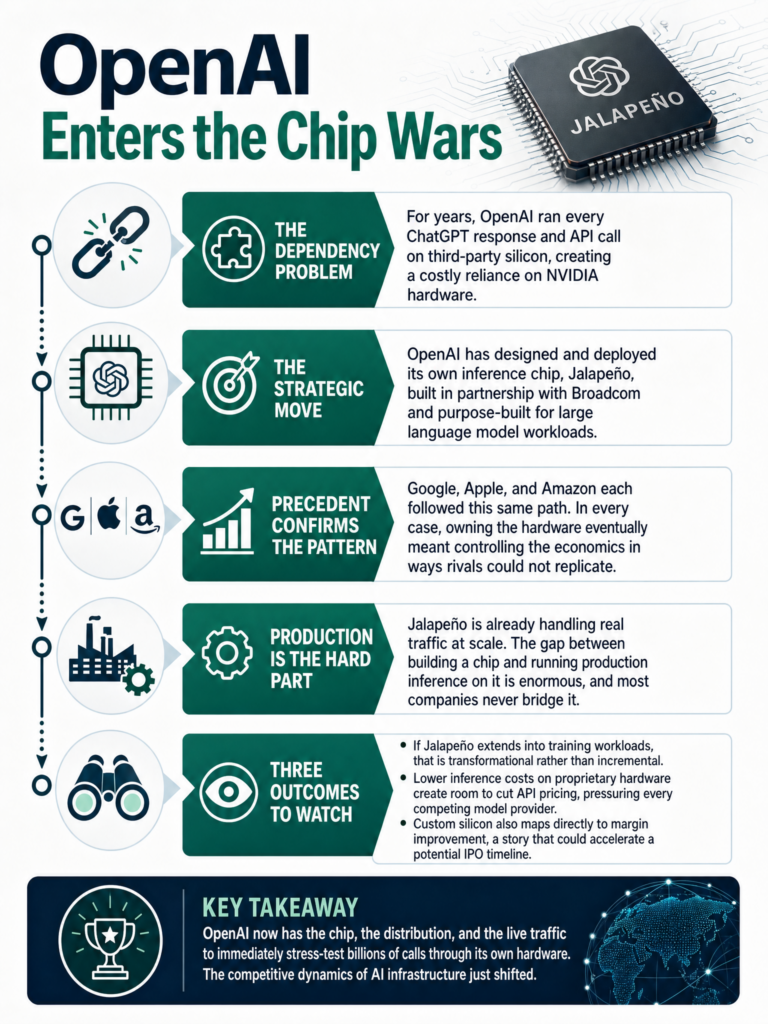
Perplexity isn’t alone in this direction. OpenAI’s developer team published notes this week on equipping the Responses API with a persistent computer environment, specifically noting that making long-running agentic workflows practical required tightening execution loops and providing rich context via file systems with network access. Google dropped a 64-page technical guide for building AI agents around the same time.
The whole industry is moving from session-based to persistent. Perplexity just put a physical object on your desk as the symbol of that transition.
Why I Think This Is the Right Bet
I’ve spent a lot of time building with AI systems, and the single biggest friction point isn’t model quality. It’s the context gap between sessions. You build up context with a model over a conversation, and then you close the tab and it’s gone. The next session starts cold. Ambient, always-on AI with persistent access to your actual environment solves that problem at the hardware level. It’s a brute-force answer, but brute-force often wins.
The privacy and security questions are real. Giving any system continuous access to your files and communications is not a small decision. But the productivity delta for people who get comfortable with it will be large enough that the market will move regardless.
The 1981 IBM PC didn’t ask for permission before it changed everything. Neither will this.
🔌 What Comes Next
The interesting question isn’t whether ambient AI works. It’s whether a dedicated device is the right form factor, or whether this capability eventually lives inside the operating system itself. Apple and Microsoft both have obvious paths to build this natively. If Perplexity gets enough adoption before that happens, they own the mental model. If they don’t, they become a case study.
Either way, the shift from reactive to ambient is real, and it’s happening now. How you think about your own workflows in the next 12 months will matter more than most people realize.
Sources
#AI #MachineLearning #ArtificialIntelligence #AIAgents #Perplexity #TechStrategy