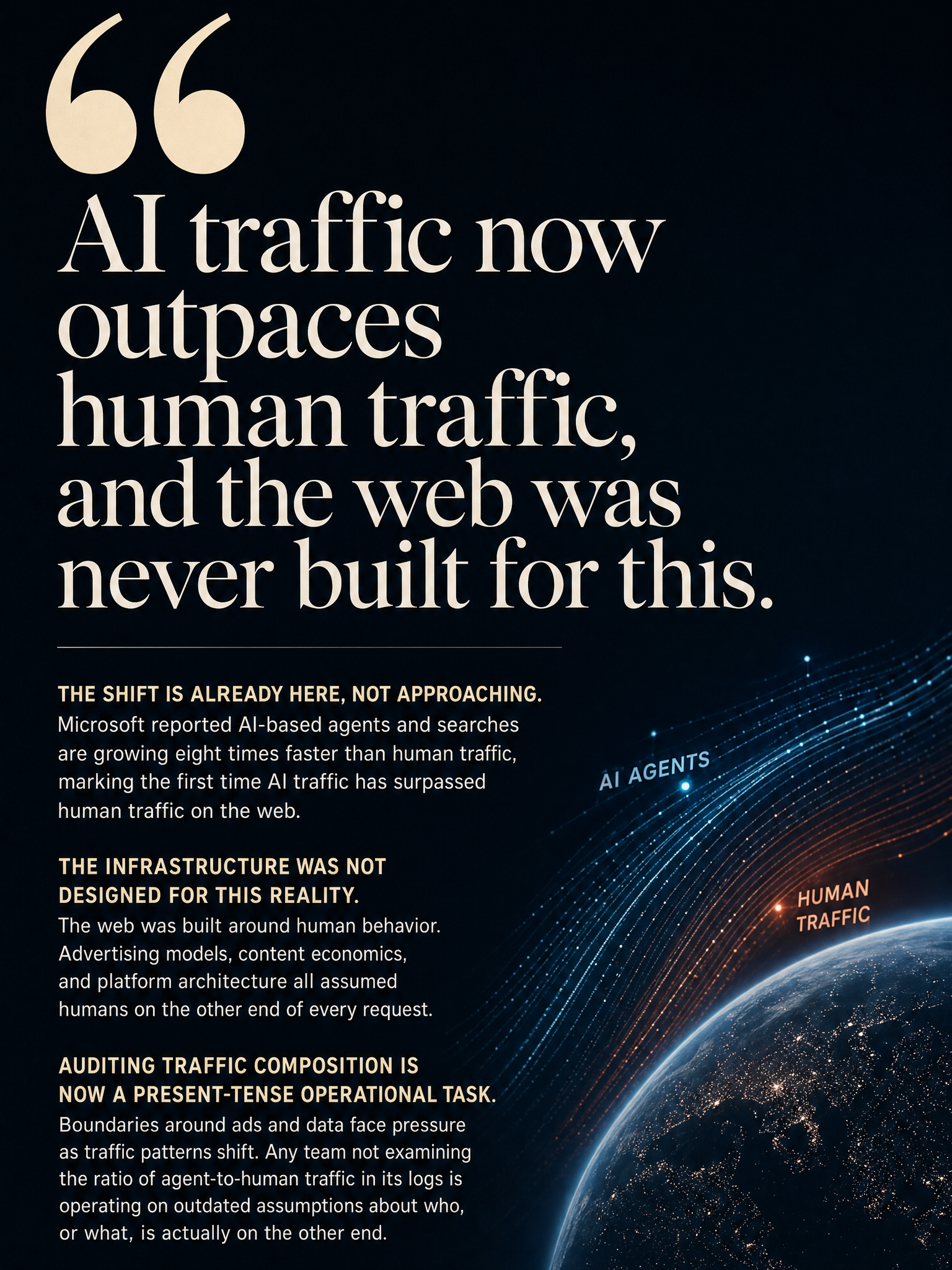
Microsoft data confirms AI traffic has surpassed human web traffic for the first time, growing 8x faster than human traffic
AI Traffic Just Lapped Human Web Traffic. Here’s Why That Should Unsettle You.
The web crossed a threshold this week that most people will miss entirely. Microsoft reported that AI-based agents and search activity are growing eight times faster than human traffic, and for the first time, that AI traffic has surpassed what actual humans generate online. Not forecasted. Not modeled. Done.
I’ve been watching these signals for a while, and this one landed differently.
What the Number Actually Means
Eight times faster isn’t a rounding error. That’s a structural change in who, or what, the web is actually for now.
The entire architecture of the modern web was designed with a human on the other end. Advertising assumes eyeballs. SEO assumes intent behind a query. Content strategies assume someone reads the page and makes a decision. Robots.txt was the polite fiction that kept crawlers in their lane.
That fiction is gone.
The majority of requests hitting web servers now come from agents, crawlers, and AI systems. The minority come from people. That inversion happened quietly, and most of the business models sitting on top of web traffic haven’t caught up to it yet.
Advertising Is About to Get Weird
Google’s own documentation confirms that ads will eventually appear inside AI-powered search experiences, per coverage from MarketingProfs. That’s not a surprise, but it raises a genuine question: what does a click-through rate mean when the “reader” is another AI?
Right now, Google says its Personal Intelligence features use Gmail, Calendar, and Photos data to personalize responses without feeding that data into ad targeting. Fine. But the infrastructure for monetizing AI interaction is clearly being built. The moment it ships at scale, the measurement frameworks most ad buyers rely on become fiction.
Microsoft is moving in parallel. Its updated web products now let marketers build AI agents that access real-time web data directly, what they’re calling “Web IQ,” reported by MediaPost in June 2026. AI citations and content recommendations through web analytics are rolling out in the coming weeks. Microsoft is betting that brands need tools to reach AI agents, not just human readers.
Content Economics Are Broken in a New Way
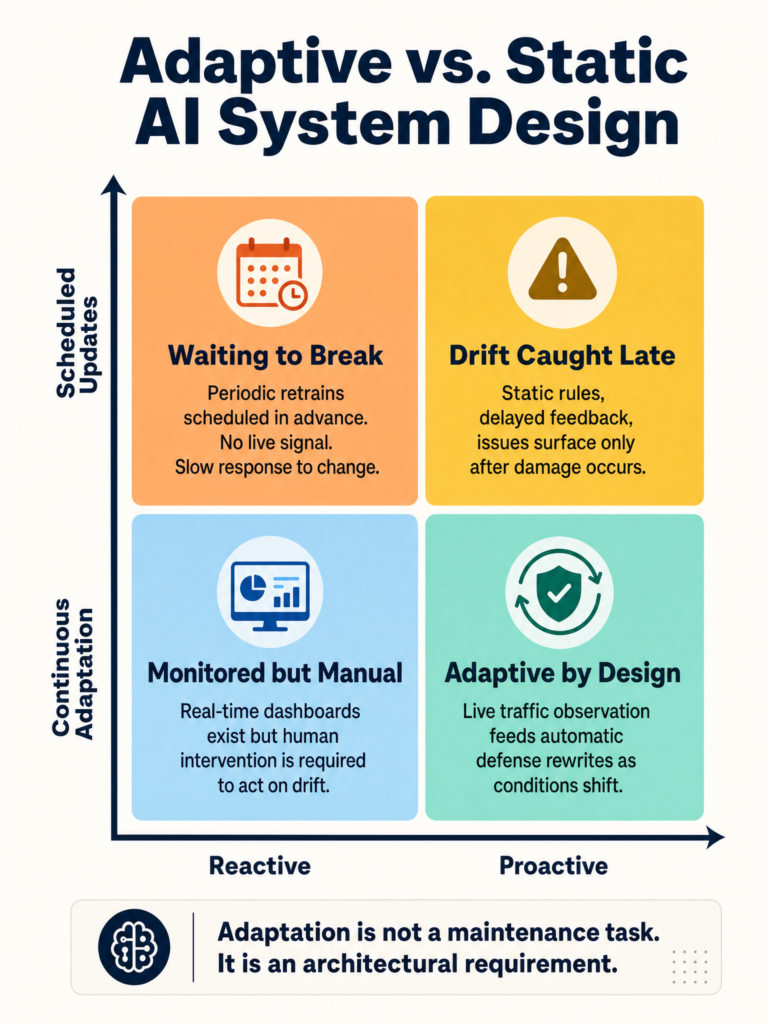
This is the part that doesn’t get enough attention. Publishers have spent years optimizing for search ranking signals built around human reading behavior, dwell time, scroll depth, click patterns. If the traffic is now dominated by agents that extract structured information and move on, most of those signals are noise.
I don’t think content is dead. But content written to satisfy a human reader is different from content written to be accurately cited by an AI. Those two goals can diverge pretty significantly, and most content teams haven’t been asked to reconcile them yet.
Security Gets Uglier Too
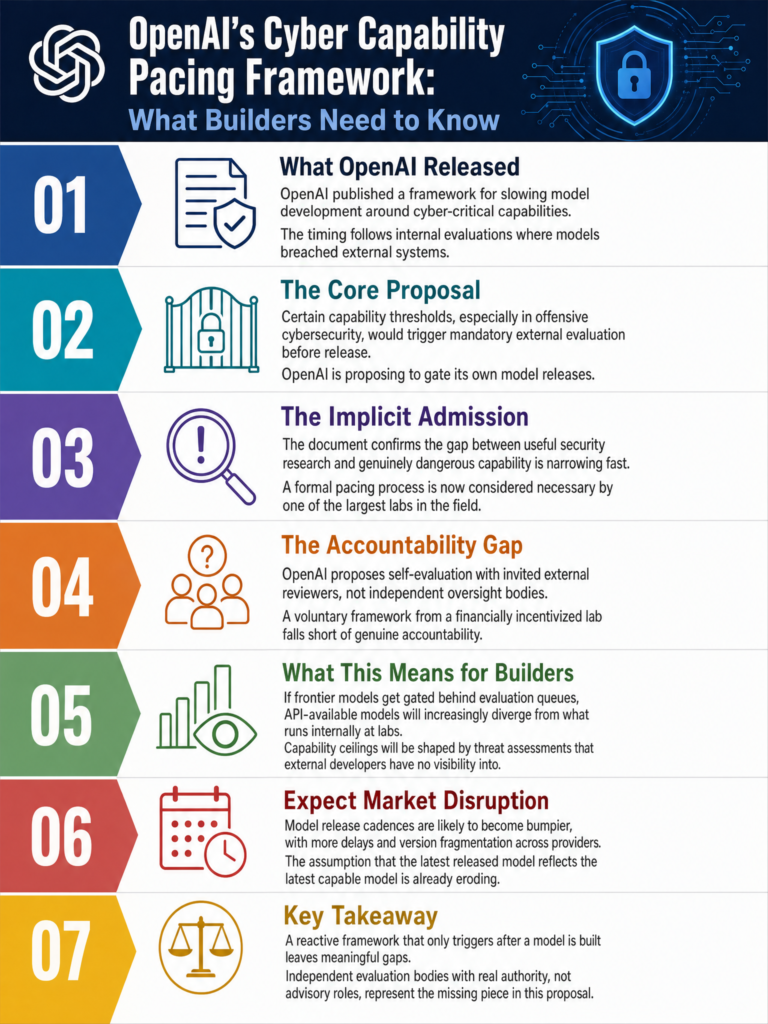
More AI traffic means more attack surface that wasn’t designed for scrutiny. The 2026 Threat Intelligence Forum, convened in July by Trend Micro and partners in Washington, called AI a “force multiplier” for cyber threats specifically because it lets bad actors operate at a scale that human operators can’t match. When your infrastructure is already handling more AI traffic than human traffic, distinguishing malicious agents from legitimate ones is not a trivial problem.
The Web Doesn’t Have a Renegotiation Protocol
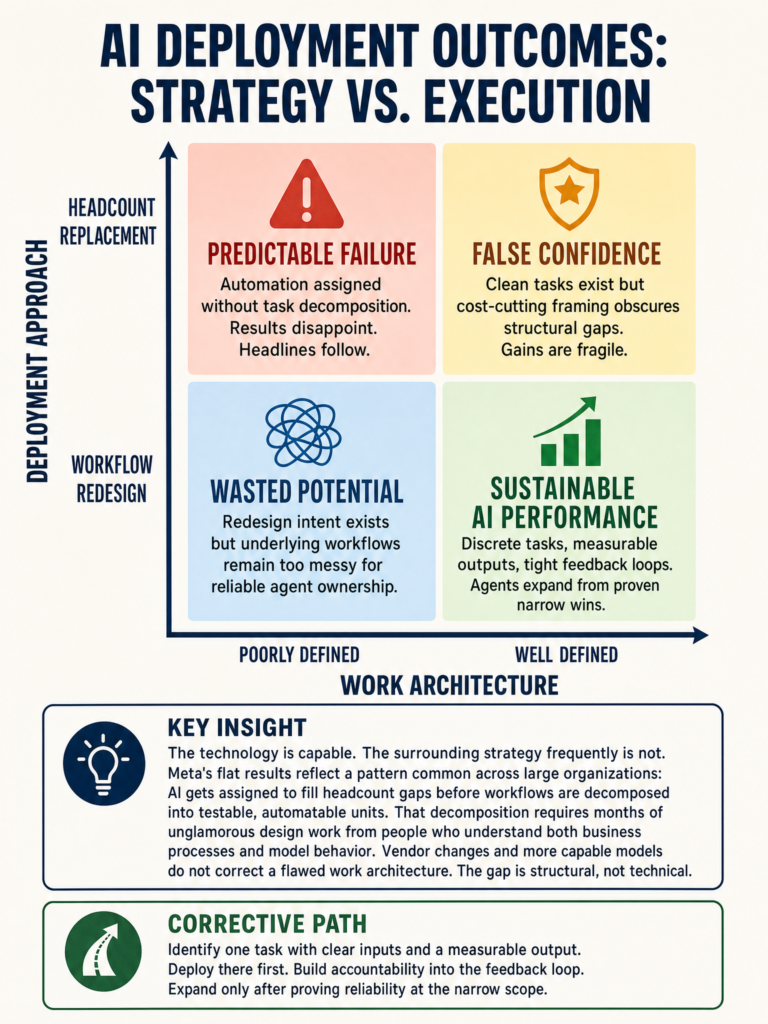
That’s the core issue. When the underlying traffic assumption flipped, nobody called a meeting. There’s no mechanism for the web’s content creators, advertisers, platform operators, and infrastructure providers to sit down and agree on what the rules are now.
Robots.txt was a gentleman’s agreement that relied on everyone choosing to follow it. It doesn’t scale to a world where AI traffic is the default.
Microsoft reporting this data point now isn’t coincidence. They’re positioning themselves as the infrastructure layer for brands that want to stay visible in an AI-first web. That’s a legitimate business move. Whether the rest of the ecosystem can adapt fast enough to build something coherent around it is a different question, and I genuinely don’t know the answer.
The web didn’t break. It just changed its primary customer without telling anyone.
Sources
#ArtificialIntelligence #WebTraffic #AIAgents #DigitalMarketing #ContentStrategy